
“She looks for wool and flax
And works with her hands in delight.”
Proverbs 31:13
“It’s Just Laundry… Right?”
Have you ever thought about how something as simple as laundry can be a God-given opportunity to practice godly character? Each load washed can be an opportunity not just to care for our home and belongings, but also to cultivate heart attitudes such as:
Joyful Diligence
Laundry gives us an opportunity to cultivate a heart that does not grumble at work, but instead labors faithfully and cheerfully, remembering that even ordinary tasks can be done for God’s glory. This joy doesn’t ultimately come from the task itself, but from delight in the Lord—His character, His goodness, and His provision for us.
Cheerful Service
When we have the opportunity to help our family or housemates with laundry, it can be a small but meaningful way to serve the people God has placed in our lives. When done with the right heart, what was once a simple chore can become an expression of love.
Our service is not motivated merely by duty or obligation, but by gratitude for God’s love for us and for the people He has placed in our lives. Even simple considerations, such as washing and putting clothes away promptly in a shared laundry space, can be a way to practice thoughtfulness and care toward others.
Wise Stewardship of Time
Laundry also provides opportunities to grow in practical wisdom. Planning ahead, keeping track of laundry needs, and finding efficient ways to complete the task helps us learn to manage our time well. By approaching everyday responsibilities thoughtfully rather than reactively, we can free up time and energy for other important areas of life, such as serving others, building relationships, and investing in the church community God has given us.
Make the most of laundry day with these practical tips!
Now that we’ve refreshed our hearts, let’s tackle our clothes! Practicing diligence and stewardship can be greatly helped by learning practical skills to handle everyday responsibilities well. A few simple laundry habits can help you care for your clothes, avoid common laundry mistakes, and save time!
Pre-treat stains:
As soon as possible after staining, blot with a napkin to remove as much of the stain as possible. Before the item goes into the washer, pre-treat according to the type of stain:
Oil and Grease Stains
Scrub gently with liquid dish soap and warm water and let sit for 30 min
Blood and Other Body Fluids
For fresh stains, rinse the stain under cold water, then apply 3% hydrogen peroxide. Let sit for 15 min, then rinse with cold water.
For dried or heavy stains, rinse the stain under cold water, then apply an enzyme-based stain remover according to the use instructions.
Inks, Coffee, and Dyes
Dab the stain with rubbing alcohol using a paper towel. Let sit for 15 min, then rinse with cold water

- Alternatively, use a general stain remover such as OxiClean and follow use instructions for the type of stain.
- If a stain remains after washing, don’t run through the dryer as this will set the stain.
- Spot-check any stain treatment on an inconspicuous spot before using it to make sure it doesn’t lift clothing dye or leave a mark.
Sort clothes by type:
Sorting your clothes like-with-like prevents issues like dye transfer and protects more delicate clothes from being worn down through friction or improper wash settings.
Some reasons to separate clothes include:
Preventing wear
Thickness/fabric weight: separate heavier fabrics (towels, denim, heavy jackets) from lighter fabrics (t-shirts, delicates, underthings)
Putting in mismatched fabric weights (e.g., heavy coats with light clothing) may cause weight imbalance in the machine, adding to wear and tear. In extreme cases, it may cause errors that halt your wash cycle.
Preventing dye or soil transfer
Colors and whites: While modern dyes and detergents exhibit less color transfer than in the past, it is recommended to separate colors to keep whites bright and colors unfaded.
Heavily soiled clothing: Prevent transferring dirt, grime, or odor to other clothes by washing heavily soiled clothing separately.
New clothing: New clothes are often loaded with excess dye that can easily bleed and stain other clothing
Heavily soiled clothing: Prevent transferring dirt, grime, or odor to other clothes by washing heavily soiled clothing separately.
New clothing: New clothes are often loaded with excess dye that can easily bleed and stain other clothing
Different care instructions
Many laundry machines have different settings depending on what you are washing. Separate clothes based on the wash duration, spin speed, agitation, and water temperature needed for different items. Keep reading for more information on different laundry machine cycles!
If your laundry pile is too small to separate into different loads, wash on a cold-water cycle with a gentle detergent to avoid colors mixing or damaging more delicate fabrics.
Use the laundry machine correctly:

- Don’t overload your machine– this may prevent clothes from being cleaned properly or potentially damage your clothes and the machine.
- Turn clothes with zippers, Velcro, or beads, or other intricate details inside out to prevent damage to other clothes.
- Remove clothes from the washer promptly to prevent the growth of mold or mildew.
- After you finish washing, leave the machine door open slightly to allow it to dry. Use a clean towel to wipe the machine dry to help prevent mildew.
In order to both sort your clothes and use the laundry machine correctly, it’s helpful to understand the different washing cycles that laundry machines can come with. Here are a few common laundry machine cycles and when to use them! As each machine can be different, please also double check the instructions or settings displayed on your machine.
Normal
What: High agitation, fast spin, warm water
When to Use: For loads with mixed types of clothing.
Example: Your weekly load of clothing with mixed fabric types, like cotton, polyester, and linen.
When to Use: For loads with mixed types of clothing.
Example: Your weekly load of clothing with mixed fabric types, like cotton, polyester, and linen.
Heavy Duty
What: High agitation, long wash time, warm to hot water
When to Use: For loads with sturdy fabrics and items that are heavily soiled.
Example: Dirty work pants, denim, towels
When to Use: For loads with sturdy fabrics and items that are heavily soiled.
Example: Dirty work pants, denim, towels
Delicates
What: Low agitation, slow spin
When to Use: For loads with delicate fabrics that may tear when washed too aggressively.
Example: Silk or chiffon clothing
When to Use: For loads with delicate fabrics that may tear when washed too aggressively.
Example: Silk or chiffon clothing
Bulky
Speed Wash
Permanent Press
What: Slow spin, more water
When to Use: For loads with large, thick, or heavy items.
Example: Bedding and blankets, pillows, sleeping bags, rugs
When to Use: For loads with large, thick, or heavy items.
Example: Bedding and blankets, pillows, sleeping bags, rugs
What: Fast wash time
When to Use: For small loads that are lightly soiled.
Example: When you want to quickly wash a few items that aren’t too dirty.
When to Use: For small loads that are lightly soiled.
Example: When you want to quickly wash a few items that aren’t too dirty.
What: Warm water, slow spin
When to Use: For clothes where you want to minimize wrinkles.
Example: Button down shirts, slacks, nylon and rayon clothing
When to Use: For clothes where you want to minimize wrinkles.
Example: Button down shirts, slacks, nylon and rayon clothing
Dry clothes properly:

- Using a dryer:
- Check care labels:
- Delicates, certain fibers, and anything labeled “lay flat” or “air dry” should not be put in the dryer to avoid damage or shrinking.
- Use the correct heat setting:
- Low heat: best for delicates, activewear, and synthetic fabrics.
- Medium heat: works well for most everyday clothing.
- Higher heat: can be used for items like towels and bedding, but should be used with care, as excessive heat can cause shrinking and wear over time.
- When in doubt, lower heat is a safer option to extend the life of clothes.
- Using wool dryer balls can help reduce drying time and minimize wrinkles and static.
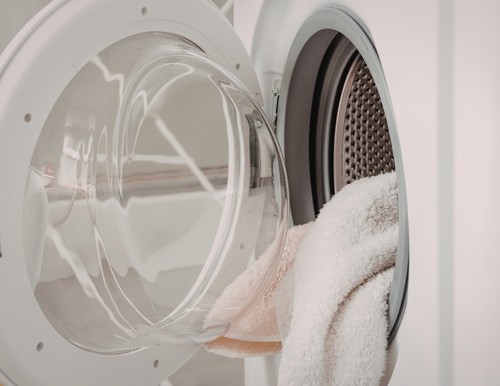
- Clean the lint trap after each use to prevent fire hazards and ensure effective drying.
- Check care labels:
- Air-drying:
- Lay sweaters and knits flat on a drying rack or a clean towel to dry in order to preserve their shape. If needed, gently reshape items while they are still damp.
- Hang dry structured clothes such as blouses, dresses, and pants to help prevent wrinkles and maintain their shape.
- Avoid overcrowding and place items in an area with good airflow to help clothes dry evenly and prevent musty odors.
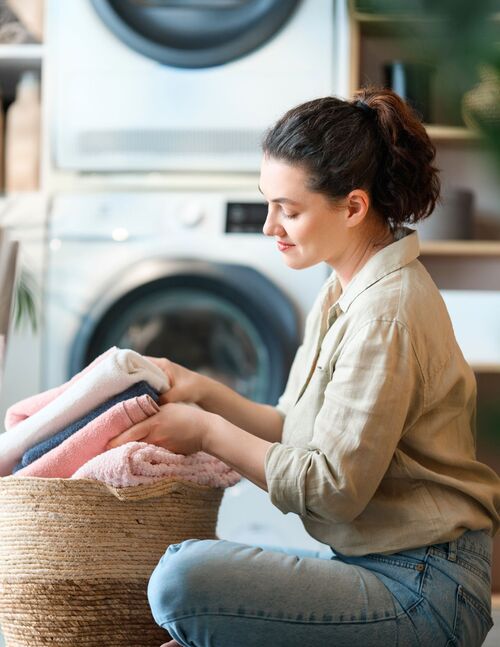
- Ensure clothes are completely dry before putting them away, as even slight dampness can lead to mildew and musty odors.
Put clothes away promptly:

- Promptly put clothes away after drying to prevent wrinkles
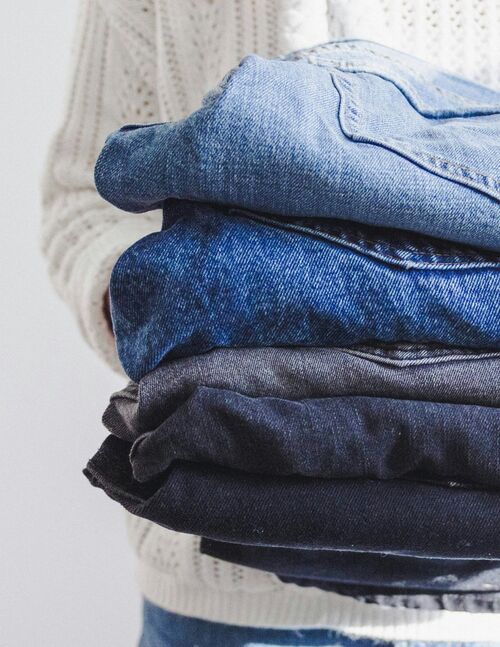
- When to fold: Fold clothes that should not be stretched, such as knits, sweaters, t-shirts, and activewear.
- When to hang: Hang clothes to prevent wrinkles and maintain their shape, such structured items like blouses and blazers, delicate fabrics, and dress pants.
Time-saving tips:

- Check the care instructions before buying new clothes:
- Think about whether you have the capacity to care for clothes that are hand wash or dry clean-only.
- Certain fabrics wrinkle more easily—consider buying clothes with easy care/wrinkle-free fabrics if you don’t have time to iron, steam, and upkeep clothes.
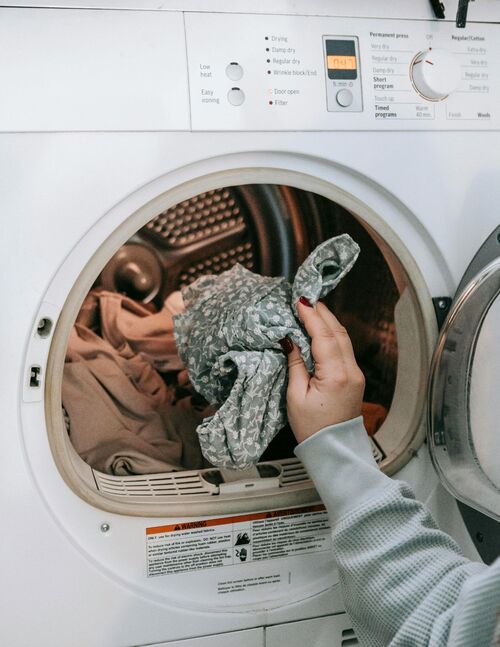
- Have a scheduled laundry day rather than waiting for a basket to fill up.
- Whether it’s a few times a month, weekly, or daily, having a plan and routine for when you do laundry can help keep the task manageable.
- If needed, you can add items of similar weight that need to be washed regularly like pillow cases.
- Use mesh laundry bags to pre-sort small laundry items like socks or baby clothes.
Additional Resources
For more helpful resources for Christian women, please visit our Kainos Publishing page!
